 11
11
Building a competition-ready robot requires more than a creative design and good programming. Teams need the right tools, mechanical parts, electrical components, and testing equipment to turn their ideas into a working machine. First robotics competition teams can benefit from preparing their equipment before the building process begins. Having suitable resources available can make assembly, repairs, testing, and improvements easier throughout the robotics season.
The robot frame provides the foundation for the entire design. Teams may need metal or compatible structural pieces, brackets, plates, rails, fasteners, and mounting hardware.
These components allow students to create a strong structure while leaving room for future modifications. A well-organized selection of structural parts can also make it easier to build different mechanisms as the project develops.
Motors are essential for creating movement in a robot. They can be used for driving systems, arms, elevators, intake mechanisms, and other moving parts.
First robotics competition teams should select motors and compatible controllers according to their robot’s design and competition requirements. Gears, sprockets, chains, belts, shafts, and bearings can also help transfer motor power to different mechanisms.
A reliable drivetrain allows the robot to move around the competition area effectively. Teams may use different wheel types depending on the required traction, speed, turning ability, and design.
Drive components should be selected carefully so the robot remains stable and controllable. Testing different configurations can help students determine which setup works best for their specific robot.
Sensors help robots collect information about their surroundings and internal movement. Teams may use distance, position, motion, or other suitable sensors depending on their project.
Measurement tools such as rulers, calipers, levels, and measuring tapes are also useful during construction. Accurate measurements can help students create components that fit together correctly and reduce unnecessary adjustments.
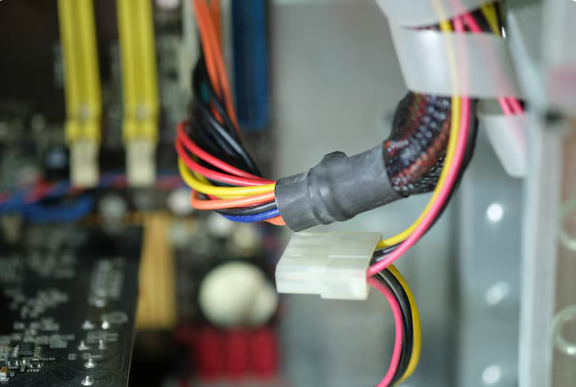
Robots depend on electrical connections between batteries, motors, controllers, sensors, and other devices. Teams should have suitable wires, connectors, terminals, switches, and cable-management supplies.
First robotics competition projects can become easier to troubleshoot when electrical connections are clearly labeled and organized. Keeping spare connectors and wiring supplies available can also help teams handle unexpected repairs.
A dependable power source is necessary for robot operation and testing. Teams should have appropriate batteries, chargers, cables, and related accessories that meet their robot’s requirements.
Batteries should be handled, charged, stored, and inspected according to appropriate safety guidance. Keeping power equipment organized can help ensure that the robot is ready for practice sessions and competition activities.
The right combination of tools and parts can make a major difference when developing a competition-ready robot. Structural components, motors, drive parts, sensors, electrical supplies, batteries, hand tools, programming equipment, and safety resources all support the building process. By preparing reliable first robotics competition equipment and keeping the workspace organized, teams can spend more time designing, testing, solving problems, and improving their robots while gaining valuable hands-on experience.